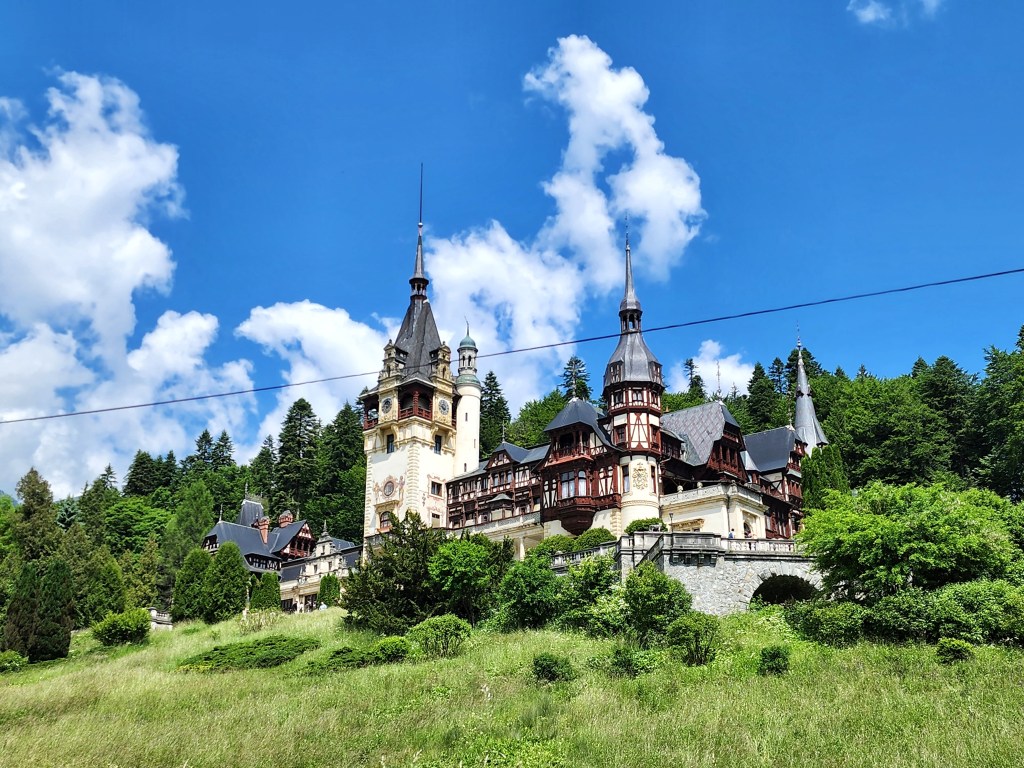
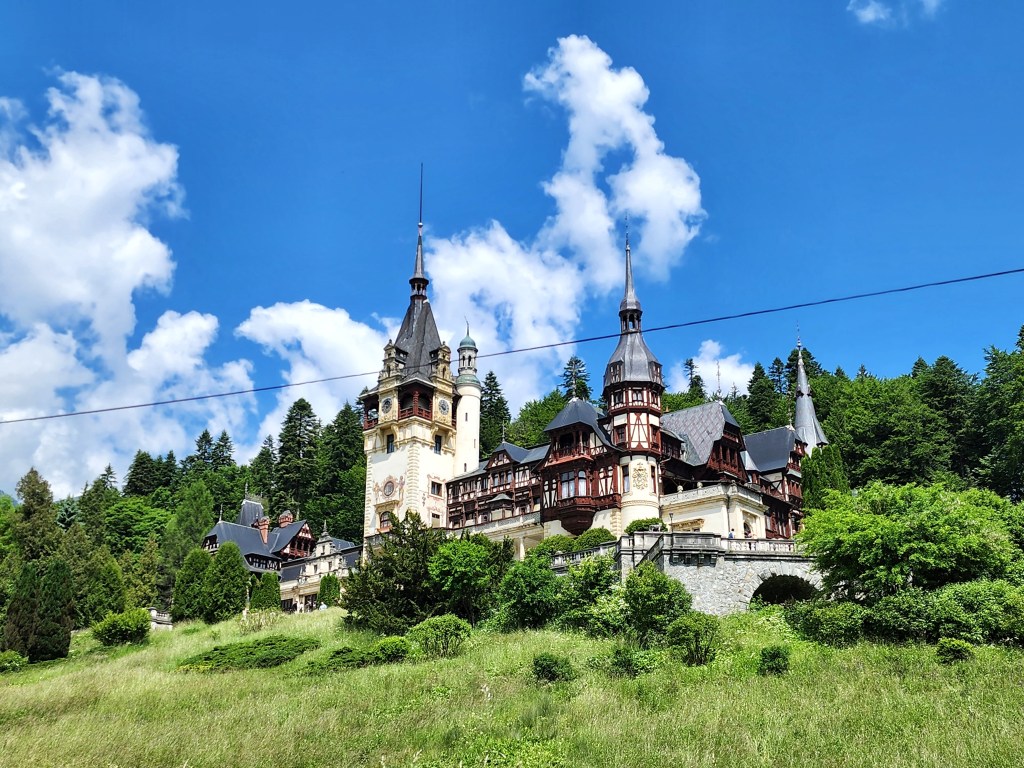
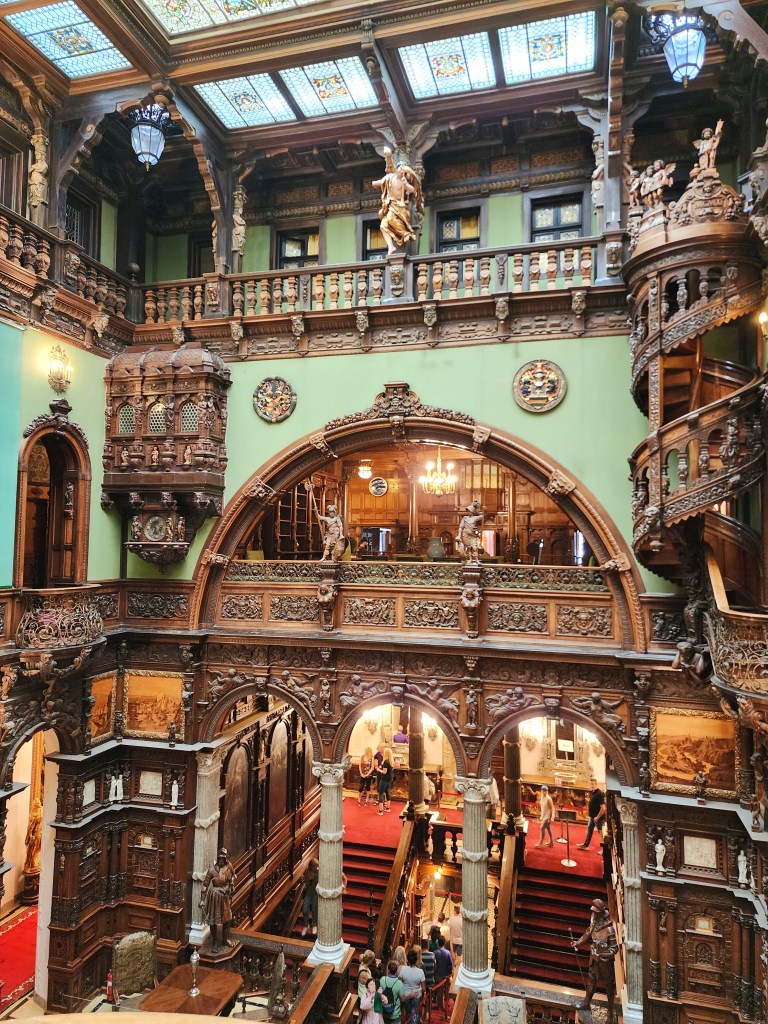
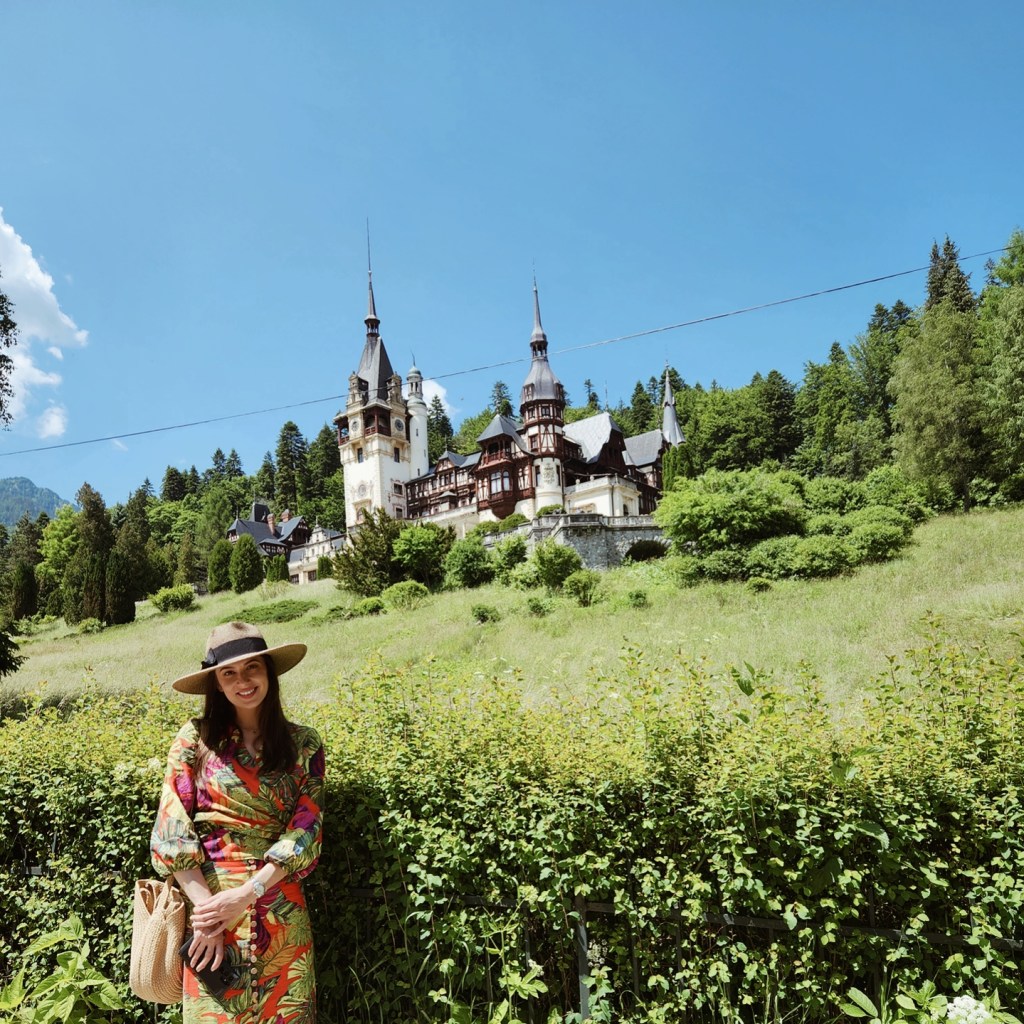
The Peles Castle, originally commissioned by King Carol to be used by the Romanian royal family as a summer residence is as eye-catching as it can be, constructed in a neo-Renaissance style. It was built in the 19th century, took 10 years to complete and it’s estimated that it cost 120 million in today’s US dollars to build and took 300-400 workers to complete.
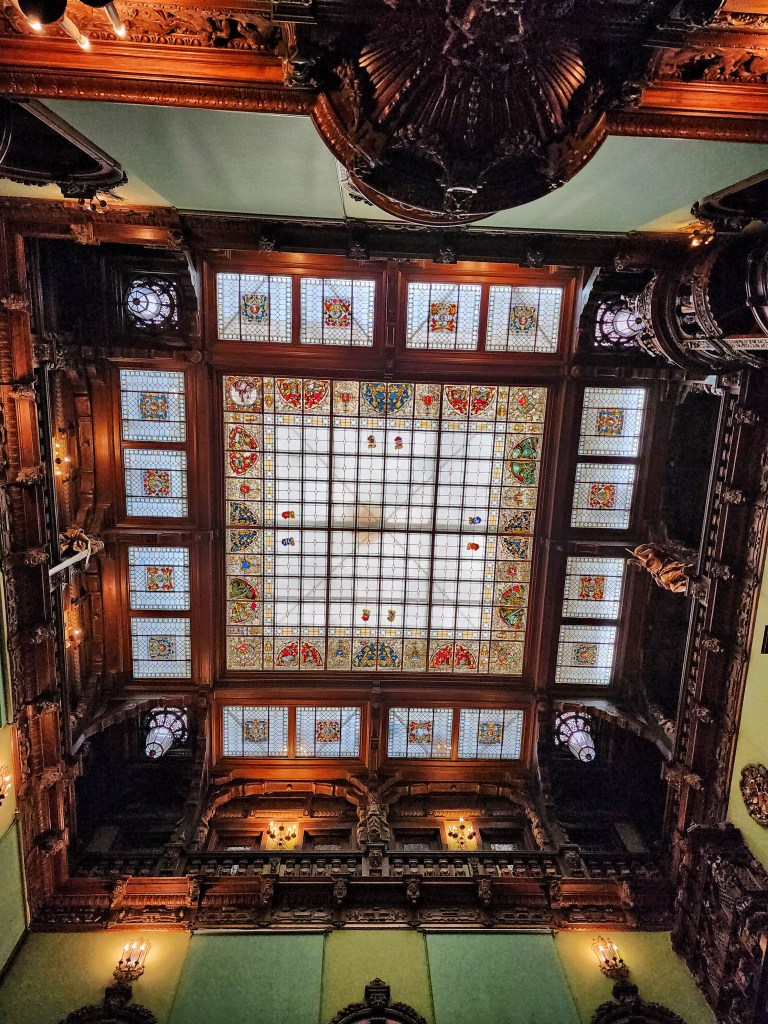
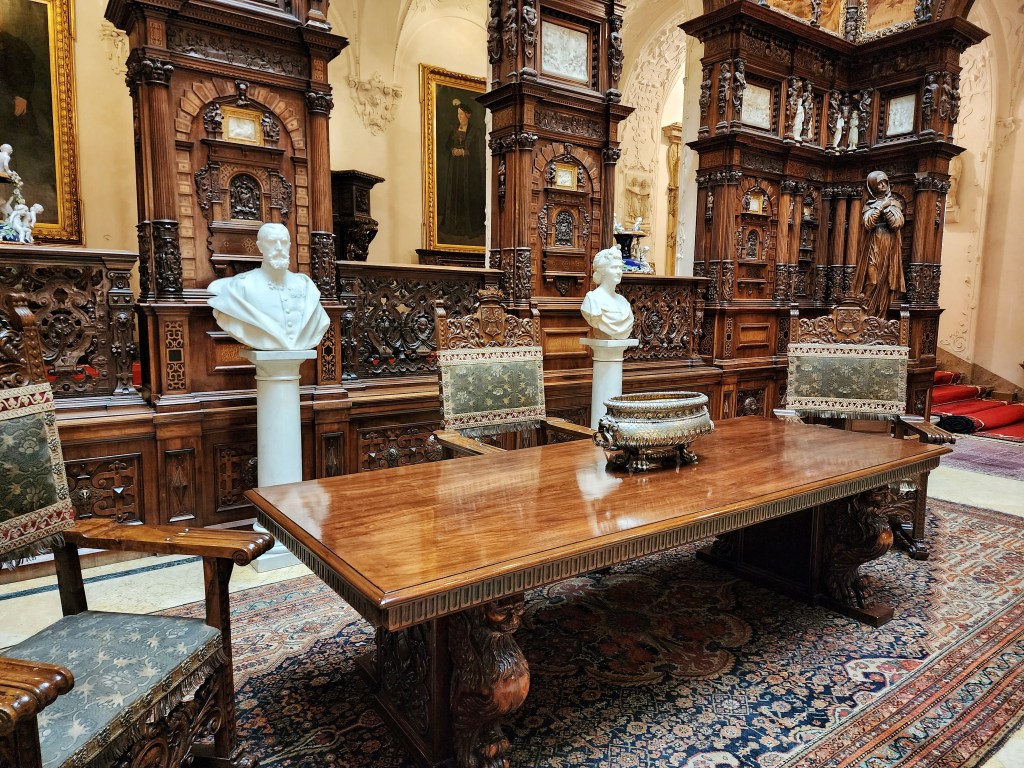
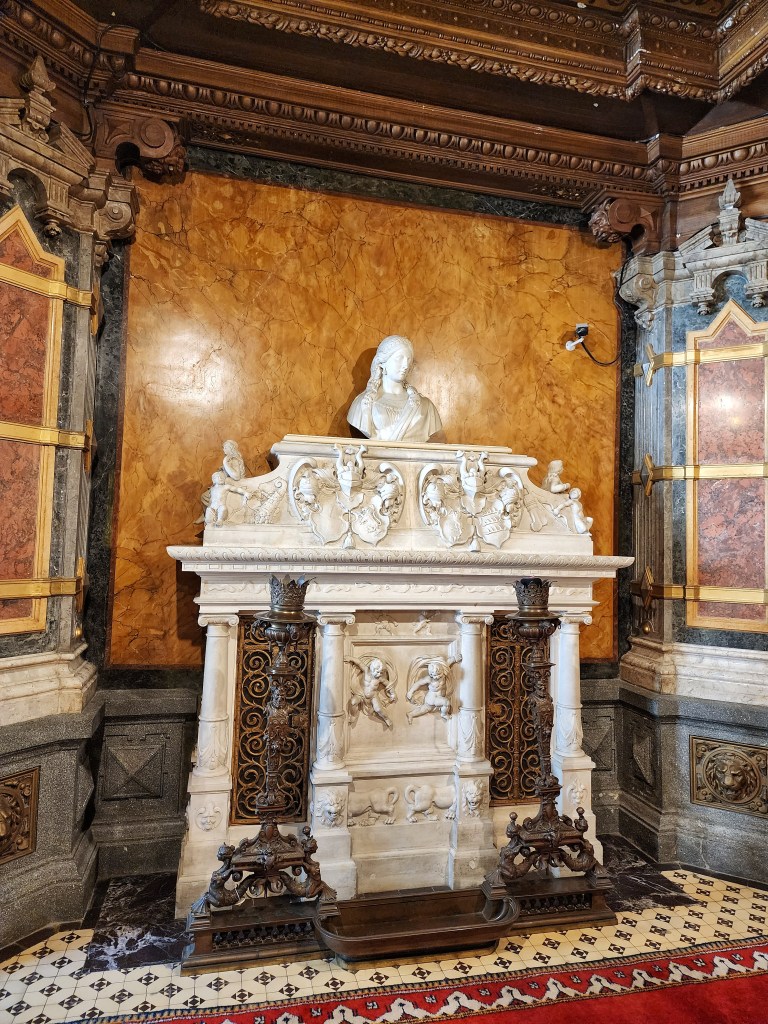
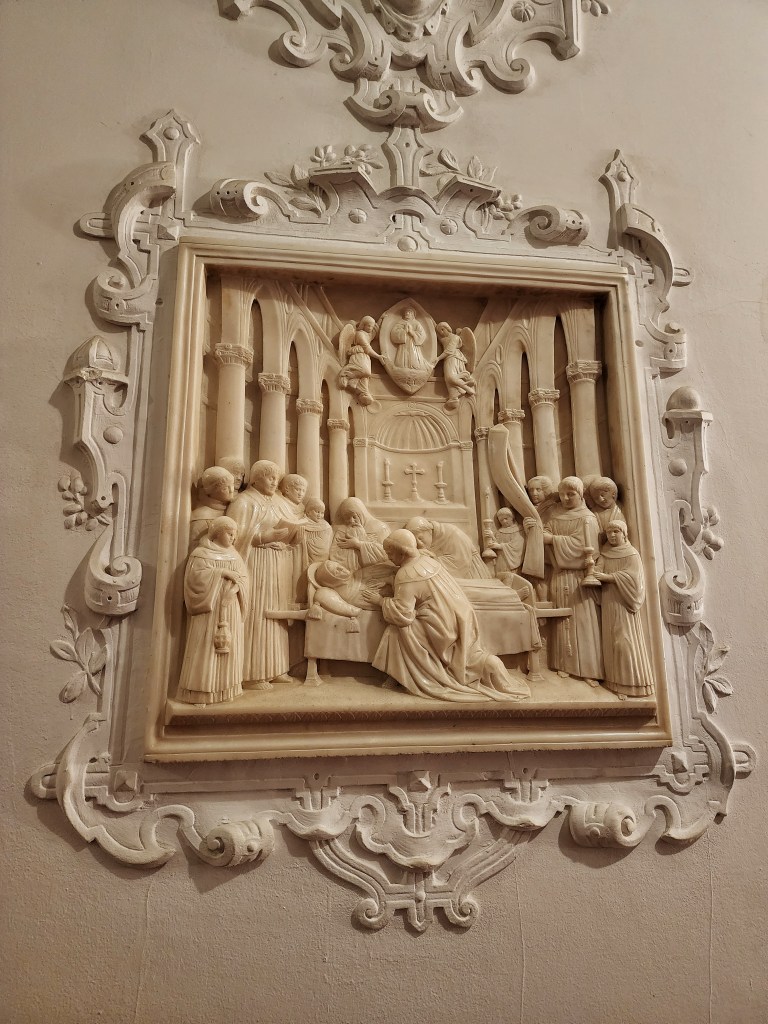
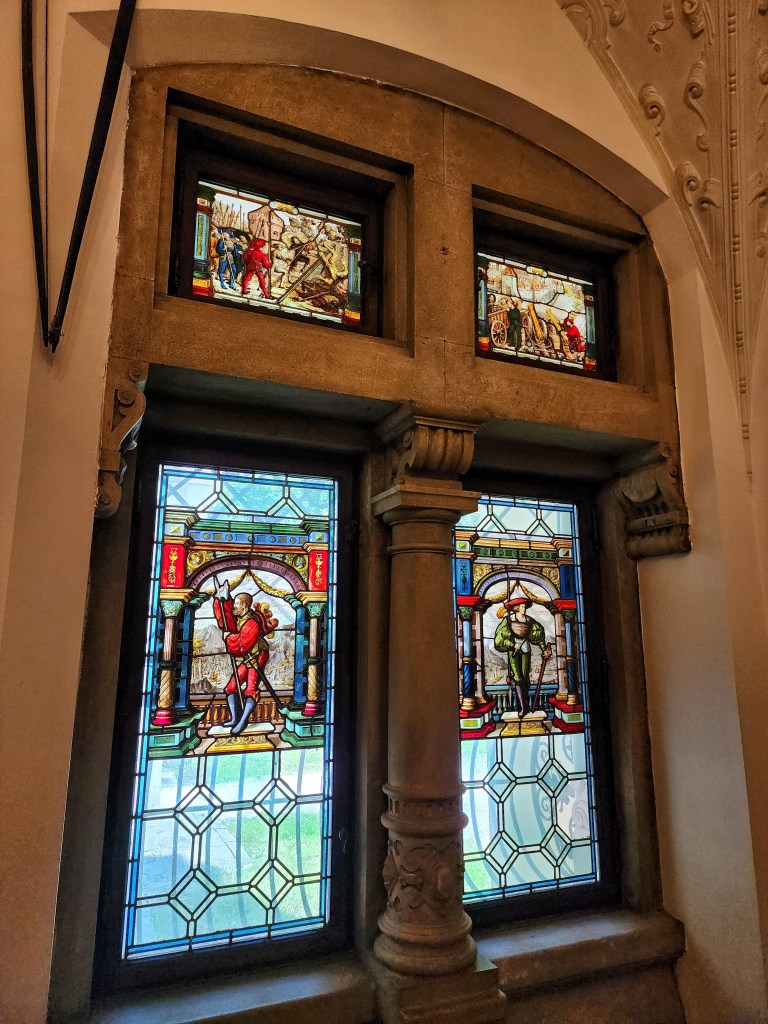
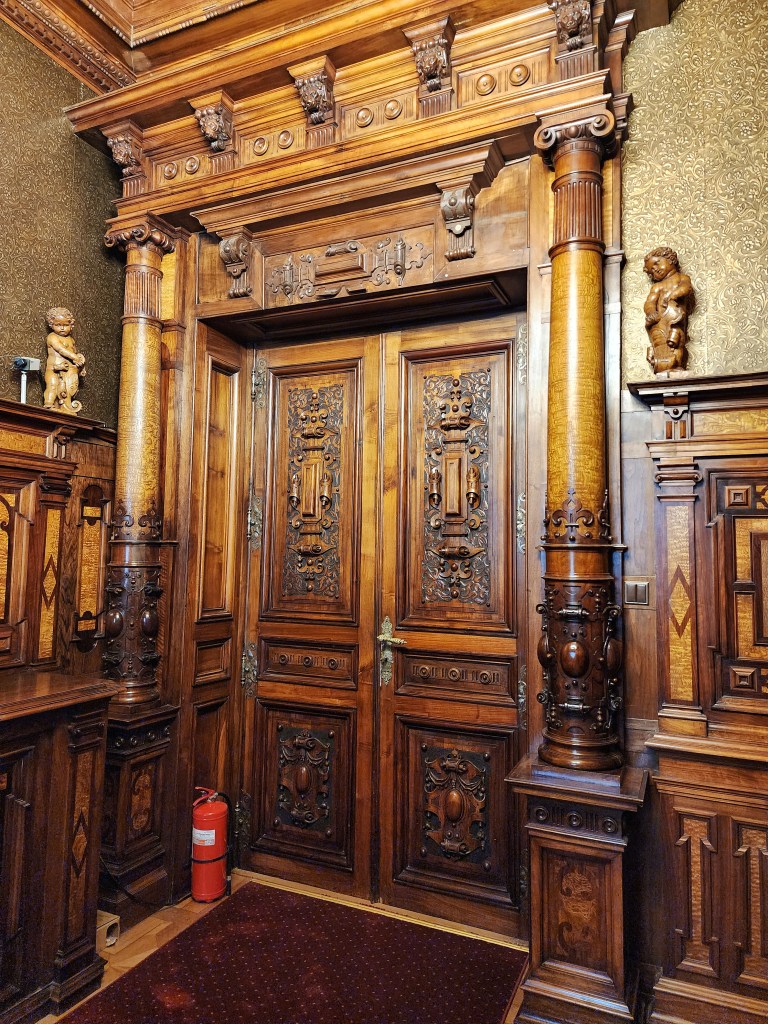
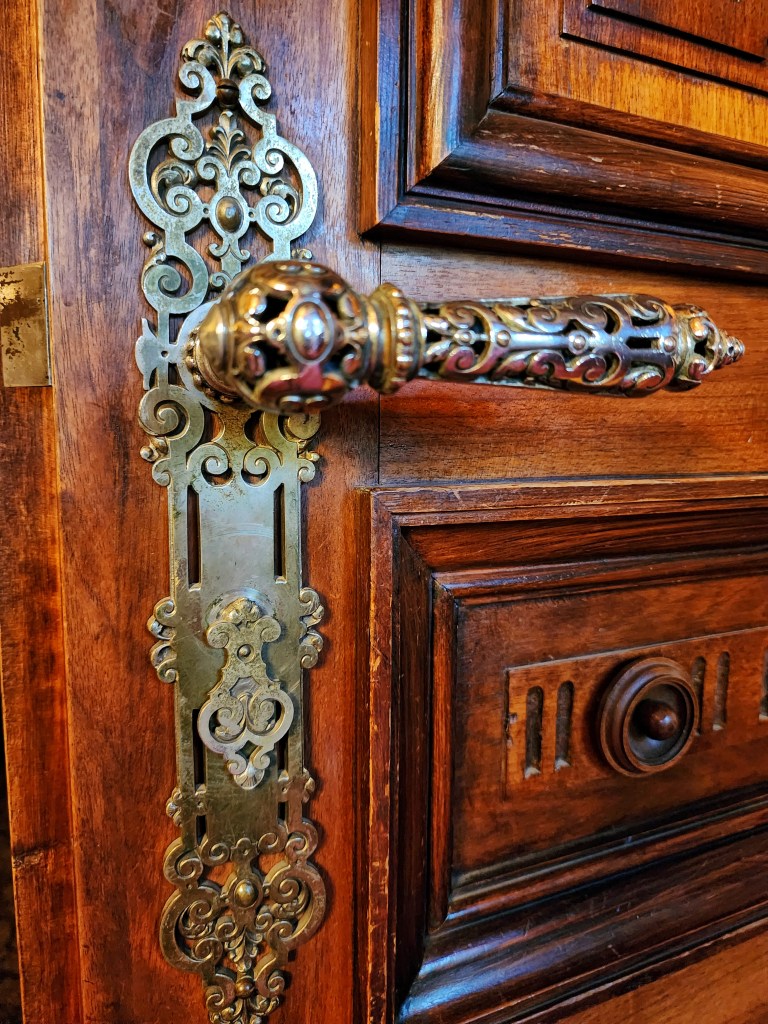
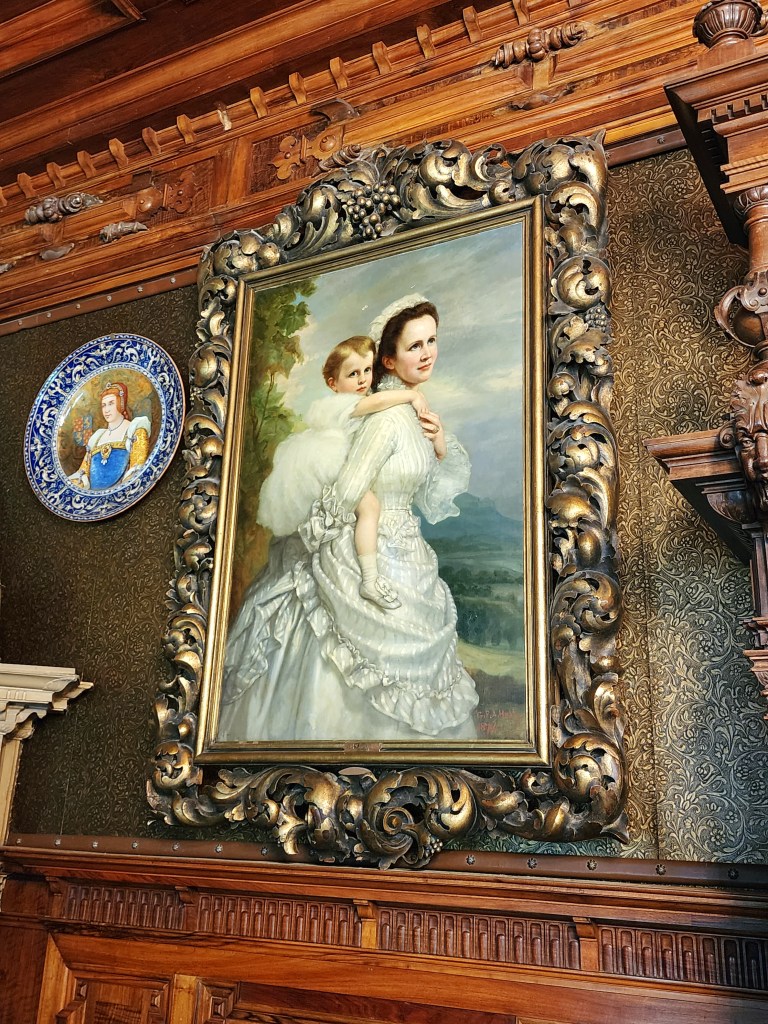
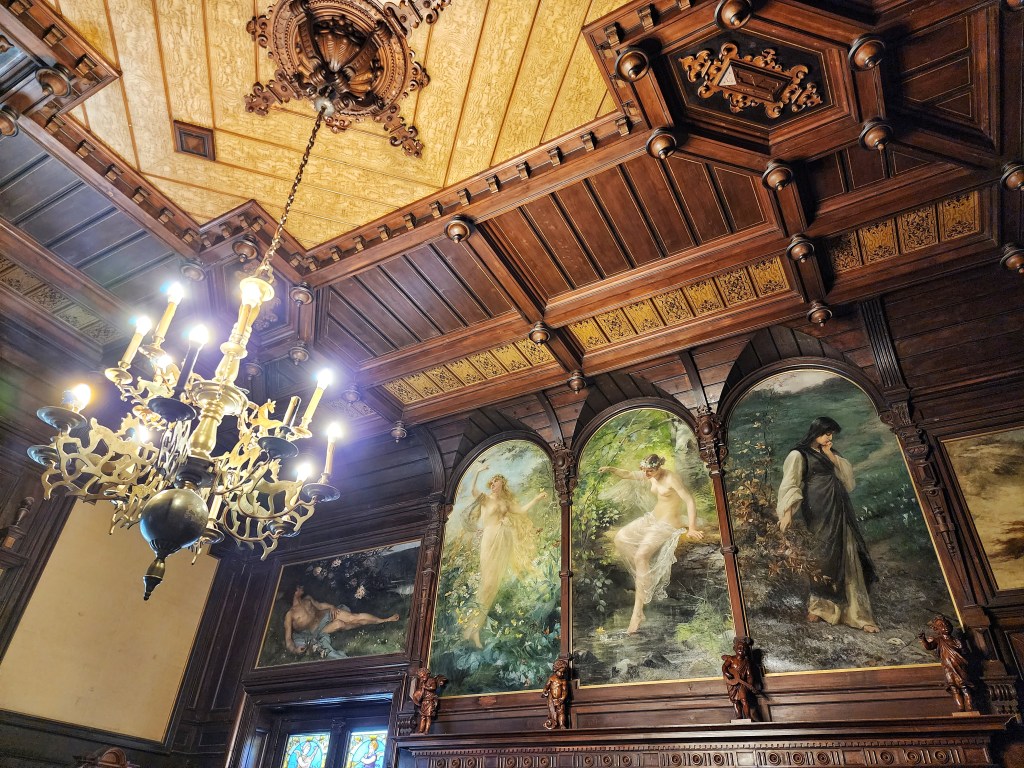
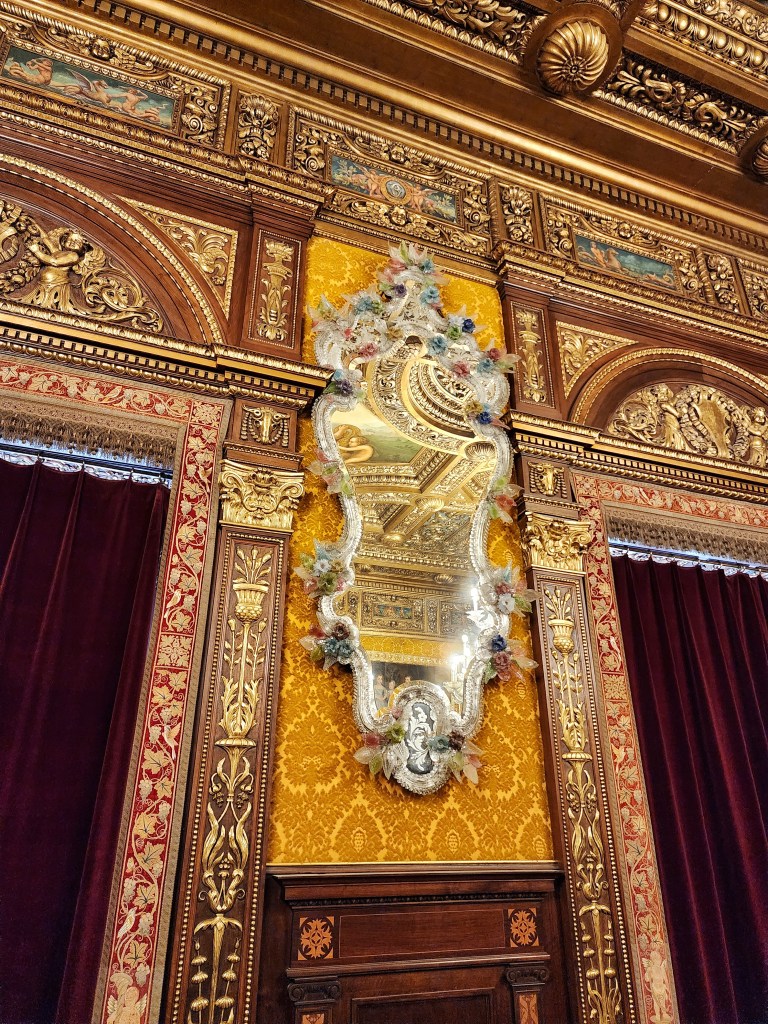
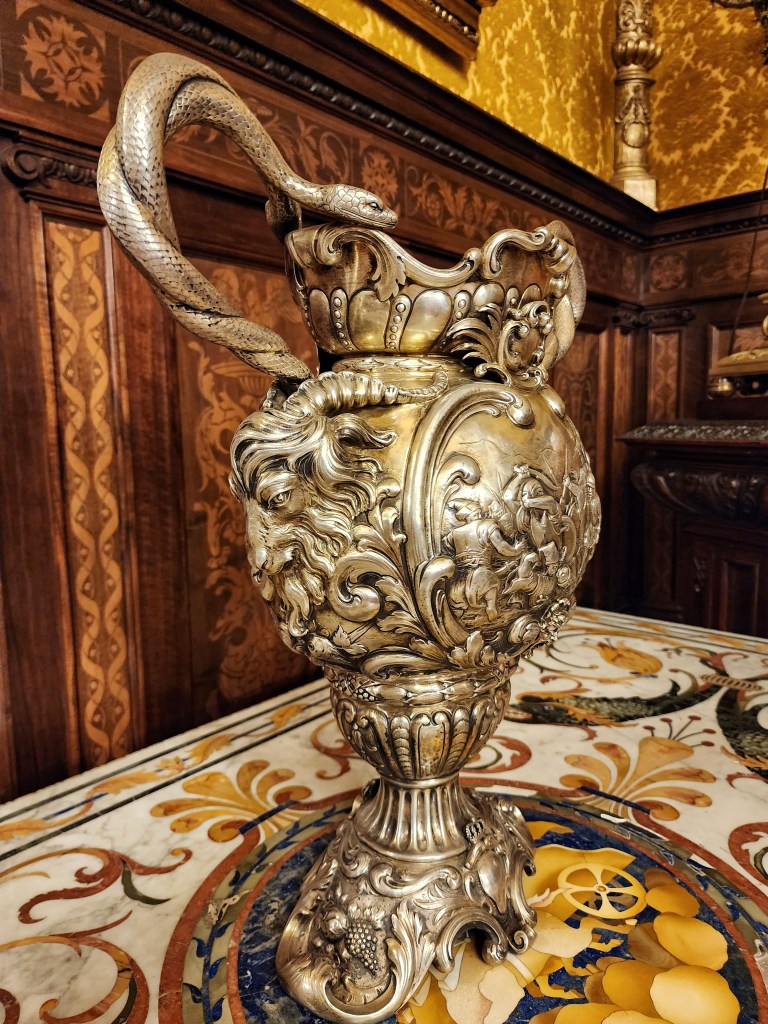
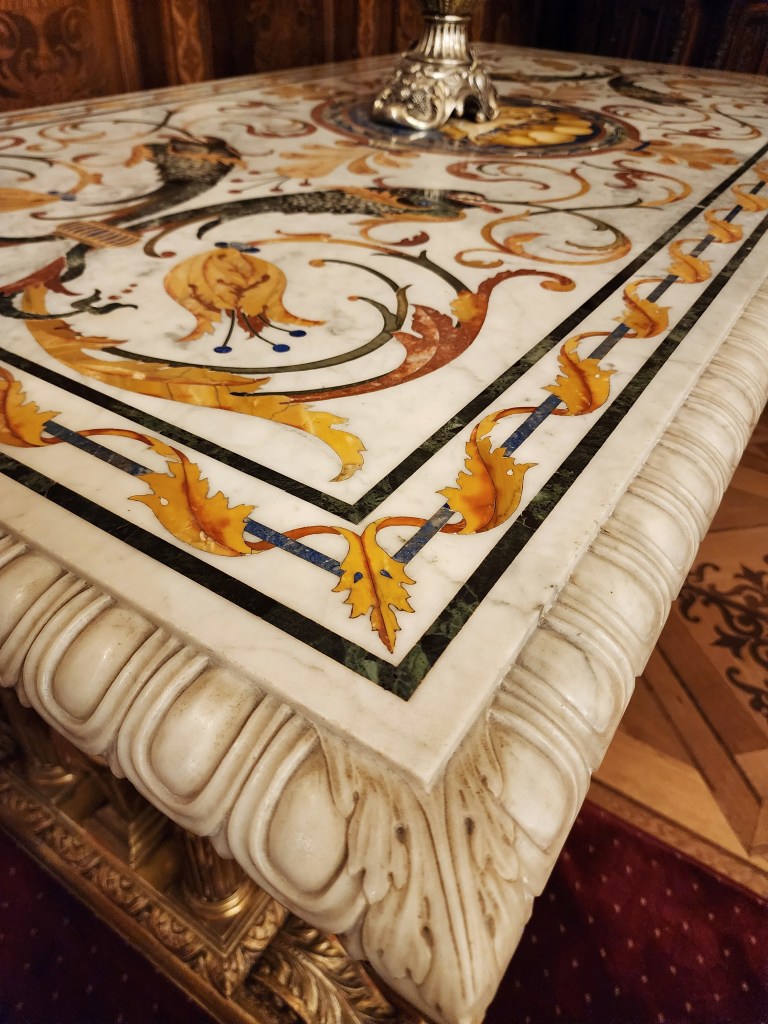
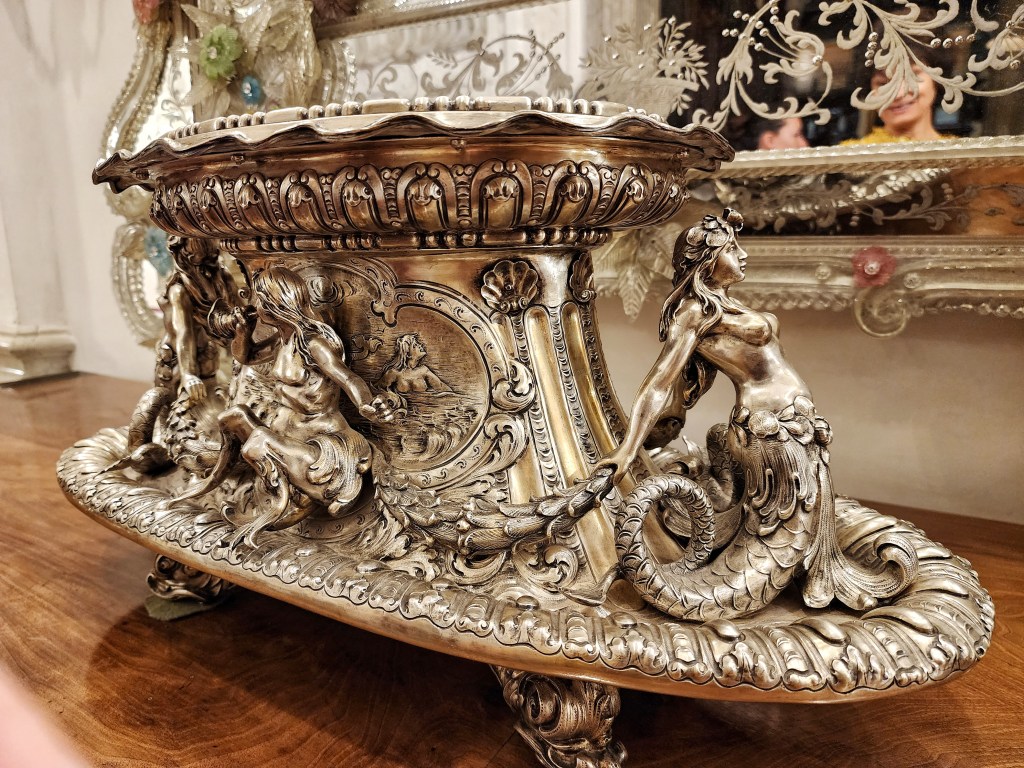
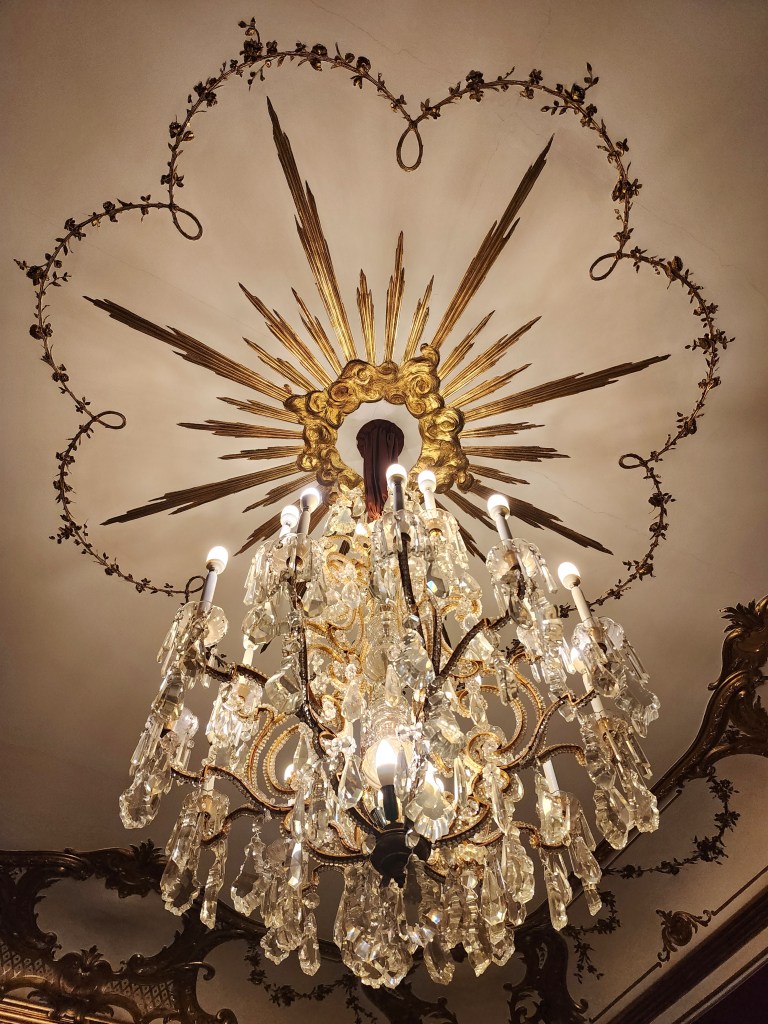
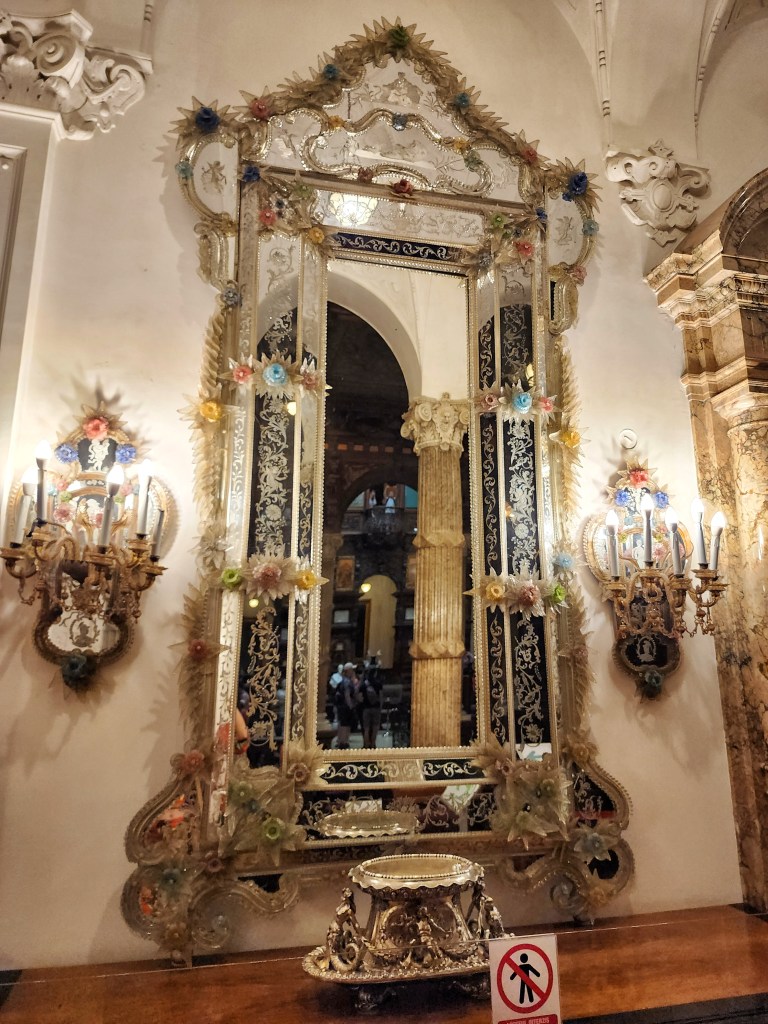
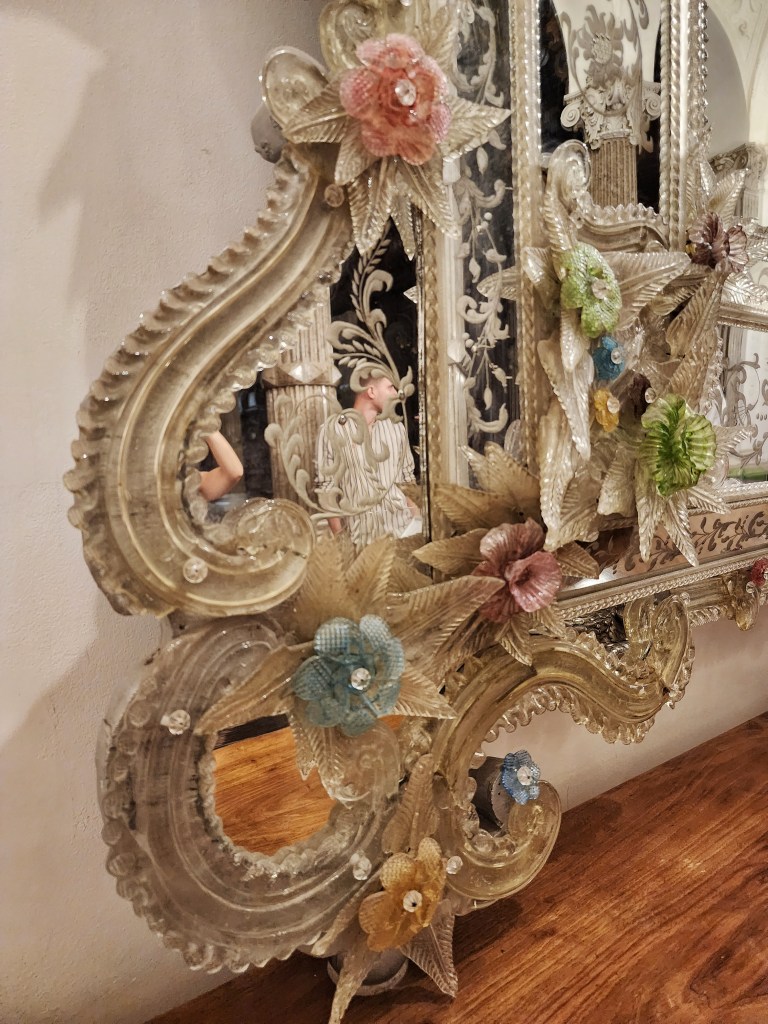
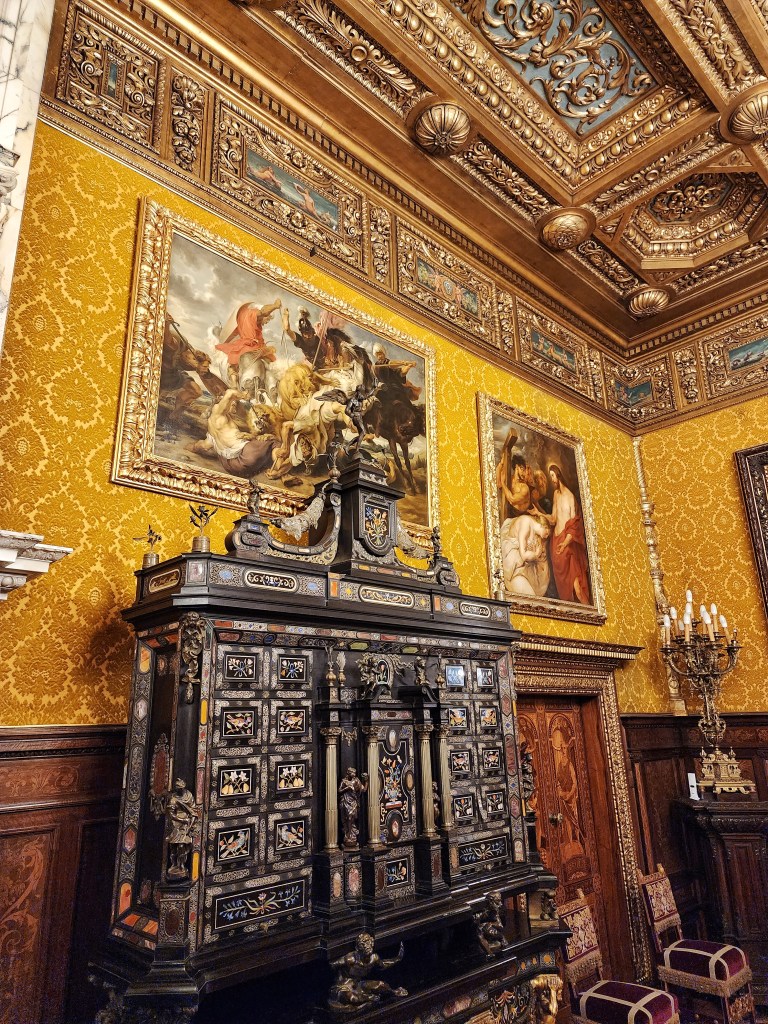
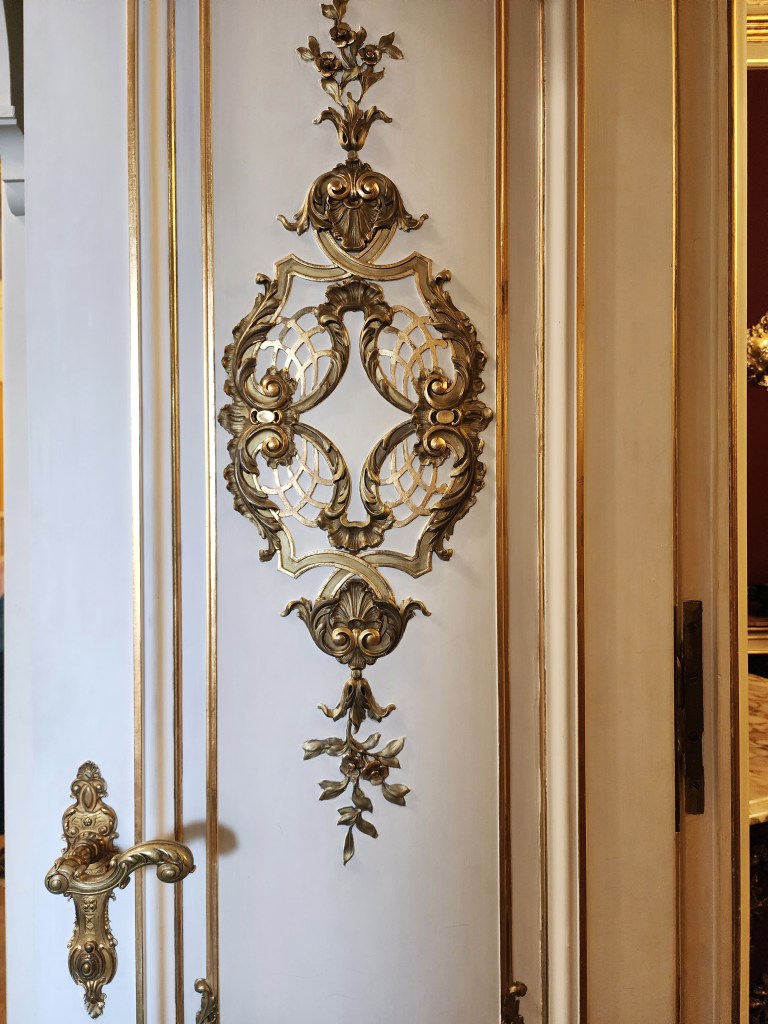
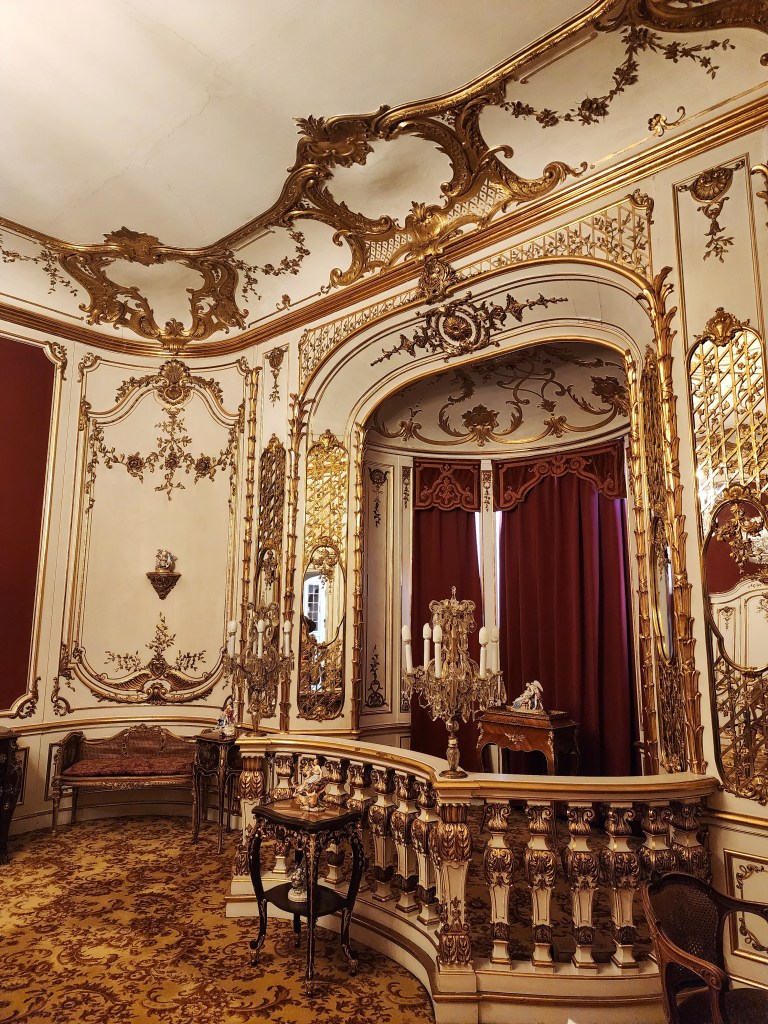
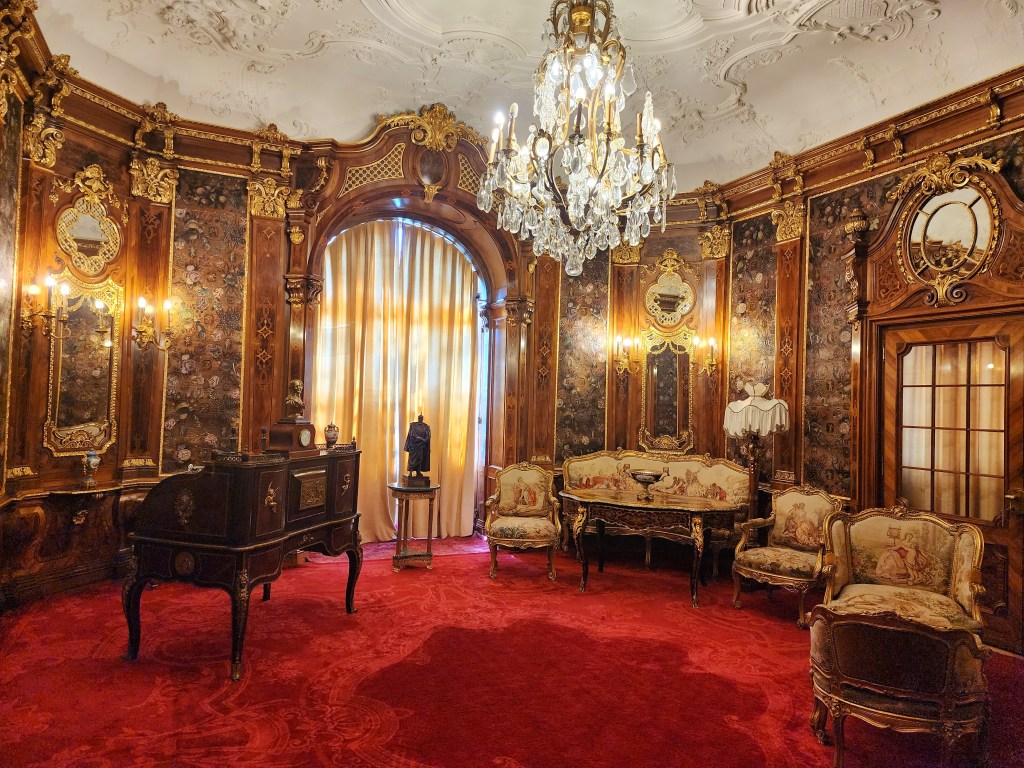
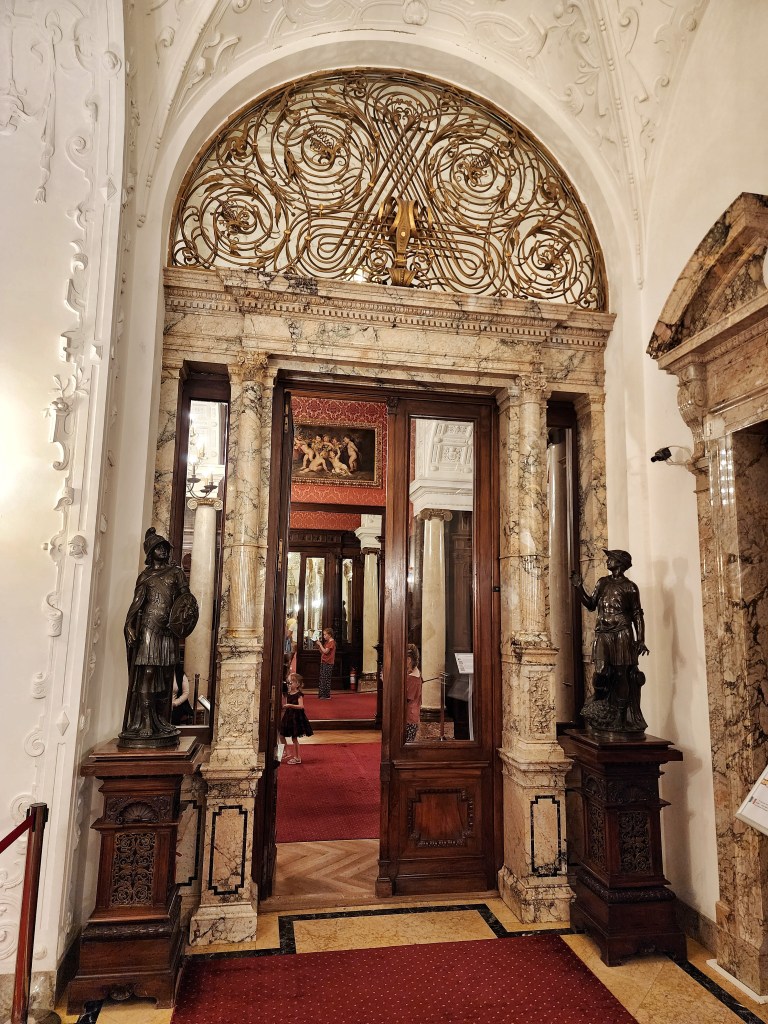
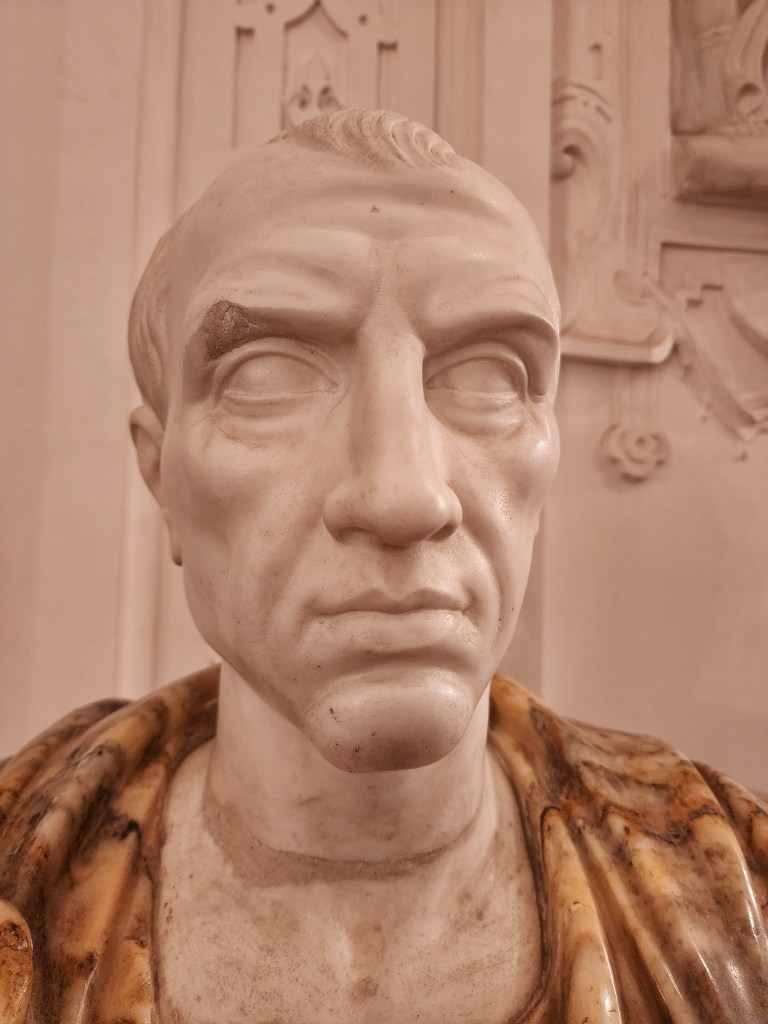
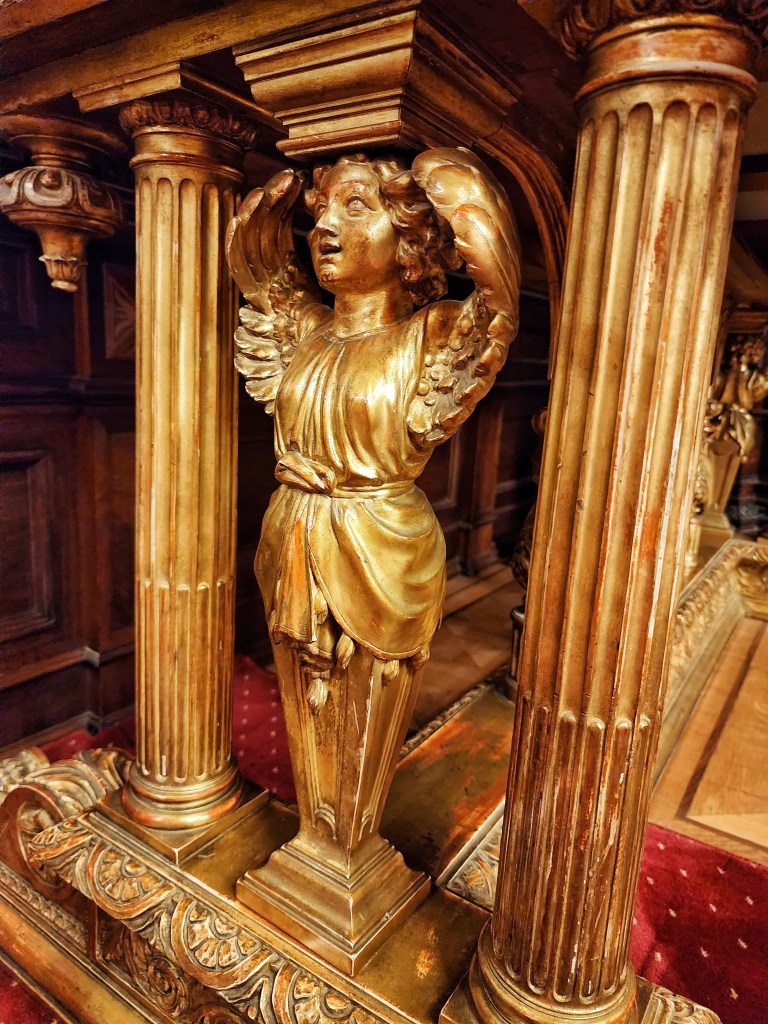
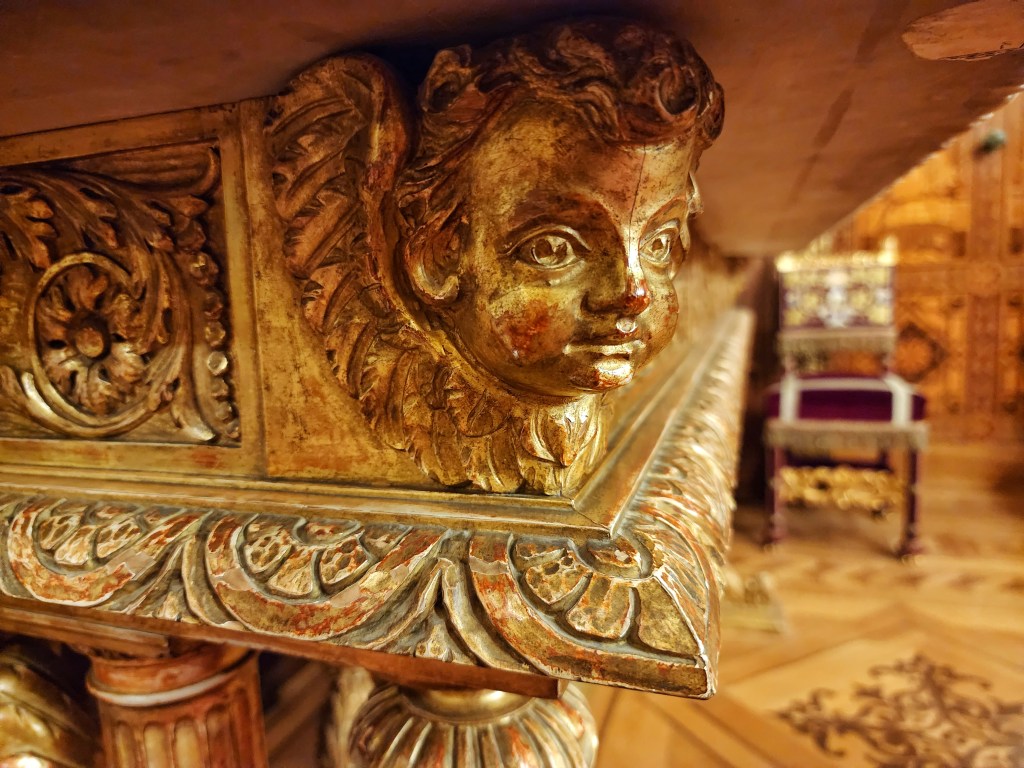
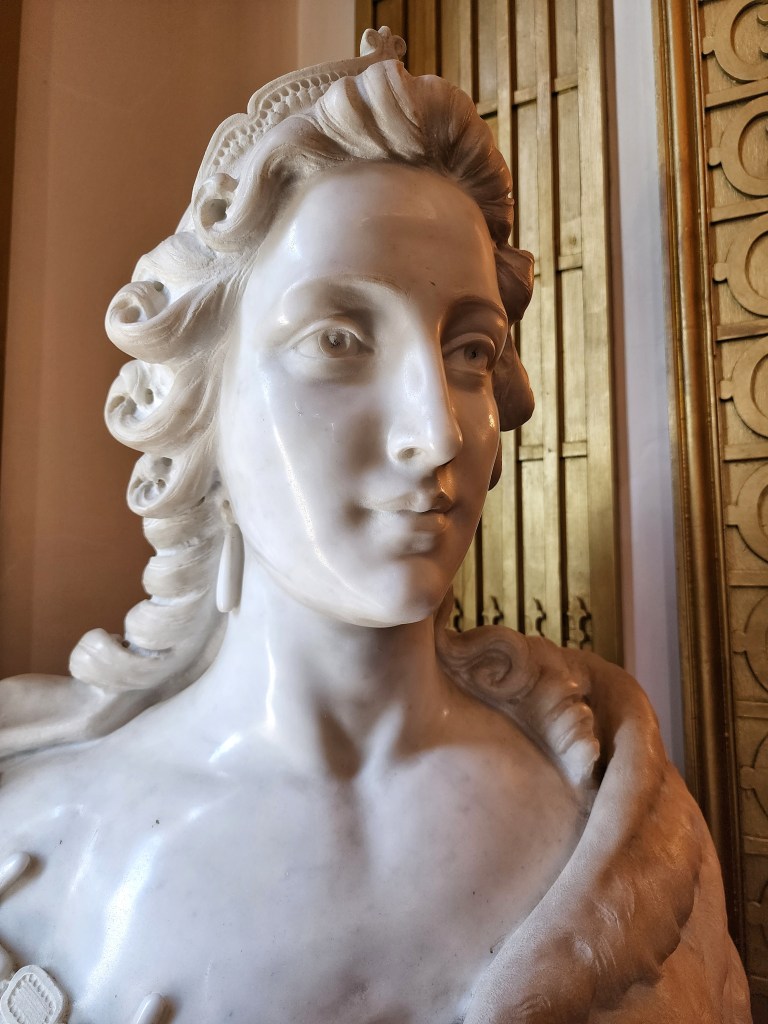
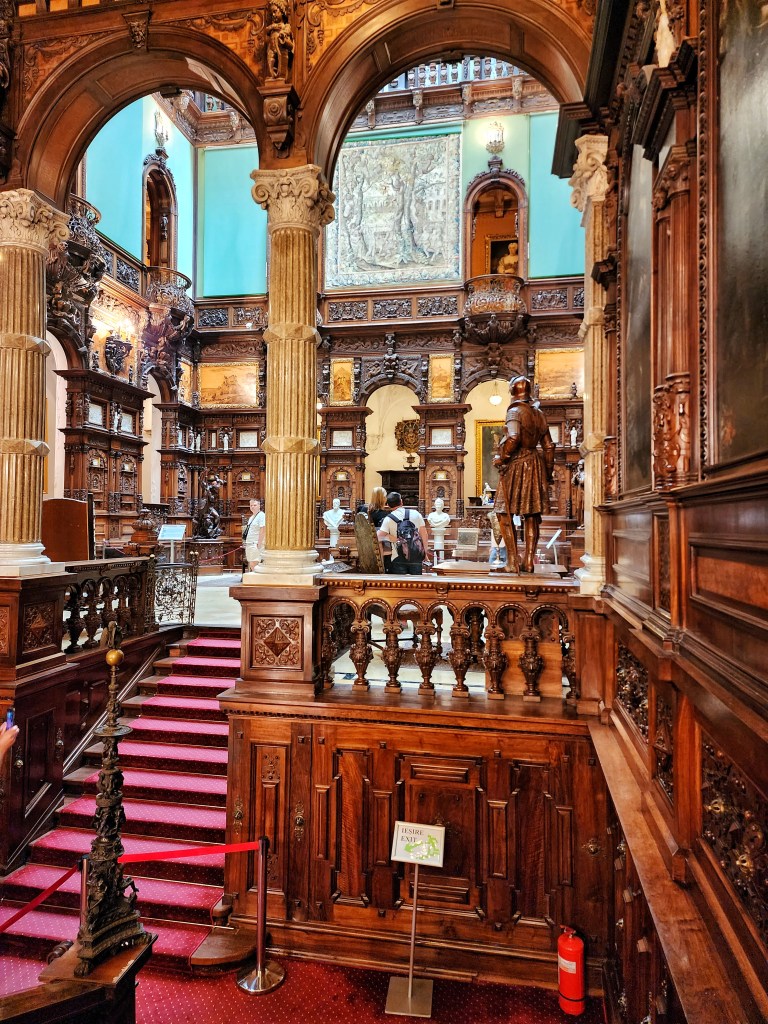
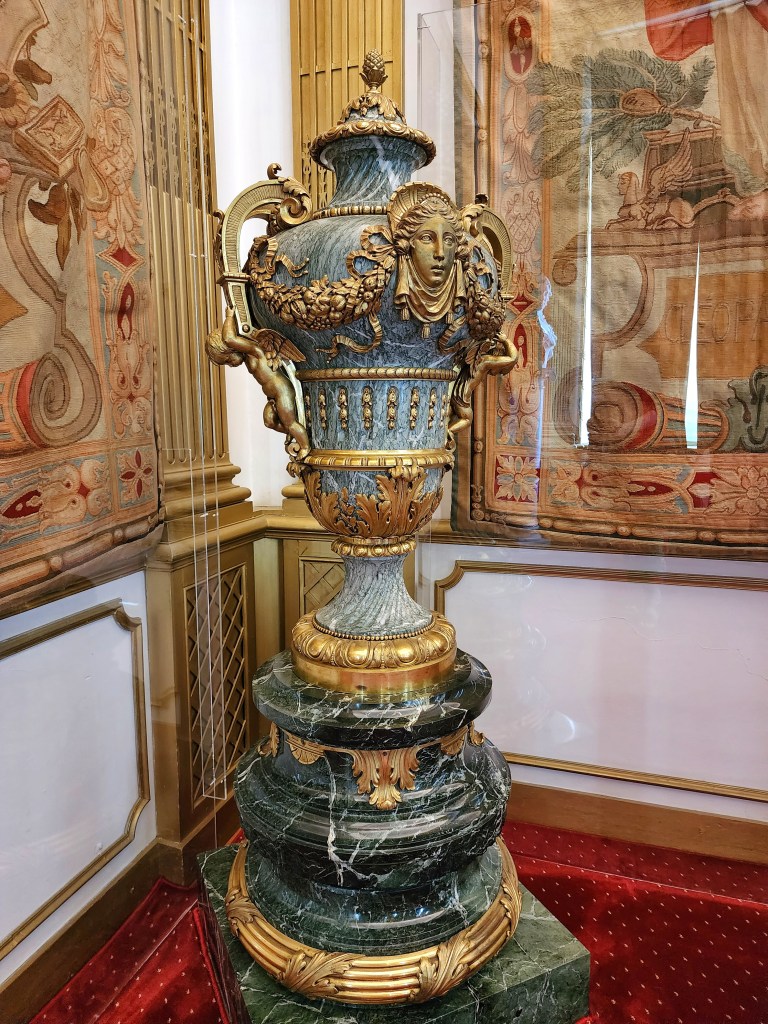
The palace hosts an impressive 160 rooms adorned with the finest examples of European art: Murano glass, Cordoban tooled leather walls, alabaster sculptures, solid bronze doors, indoor marble fountains, walls covered with silk brocades, mother-of-pearl inlaid furniture, architectural decoration and mural paintings signed by Gustav Klimt and Frantz Matsch (Klimt’s artworks are sold in auctions today for the exorbitant price of 100 million dollars).
The furniture in the Music Room is carved of teak, a gift to King Carol I from the Maharajah of Kapurtala in India, while handmade silk embroideries adorn the ceiling and walls of the Turkish Salon.
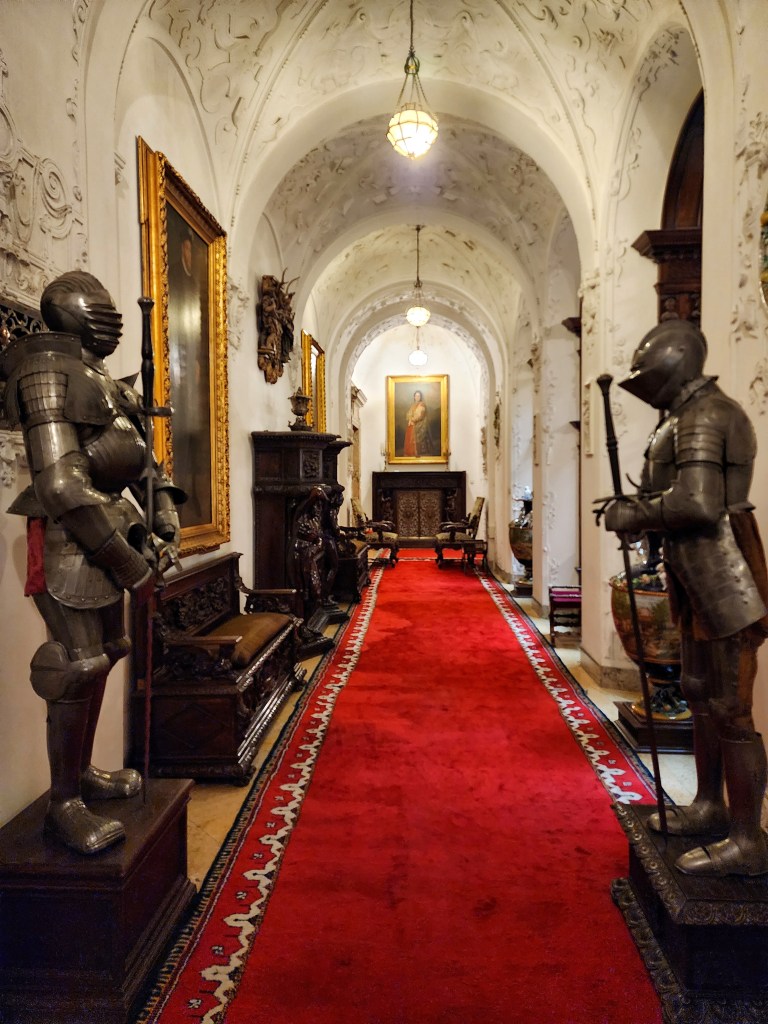
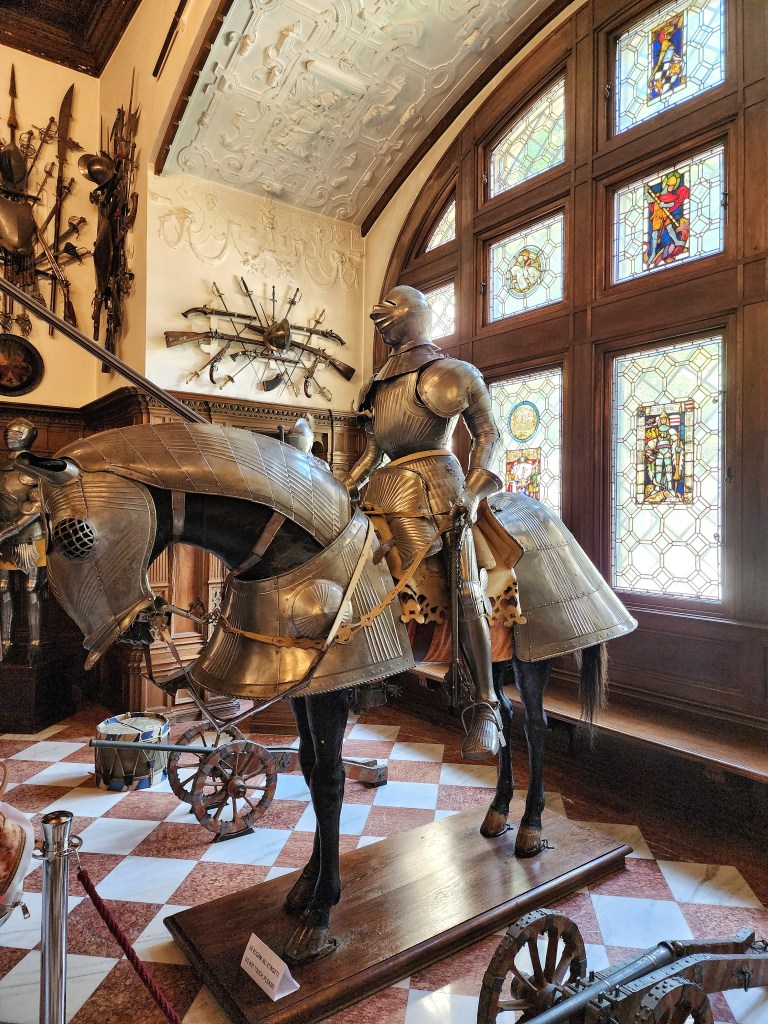
Over 4,000 European and Oriental pieces dating from the 15th to the 19th centuries are on display in the armories.
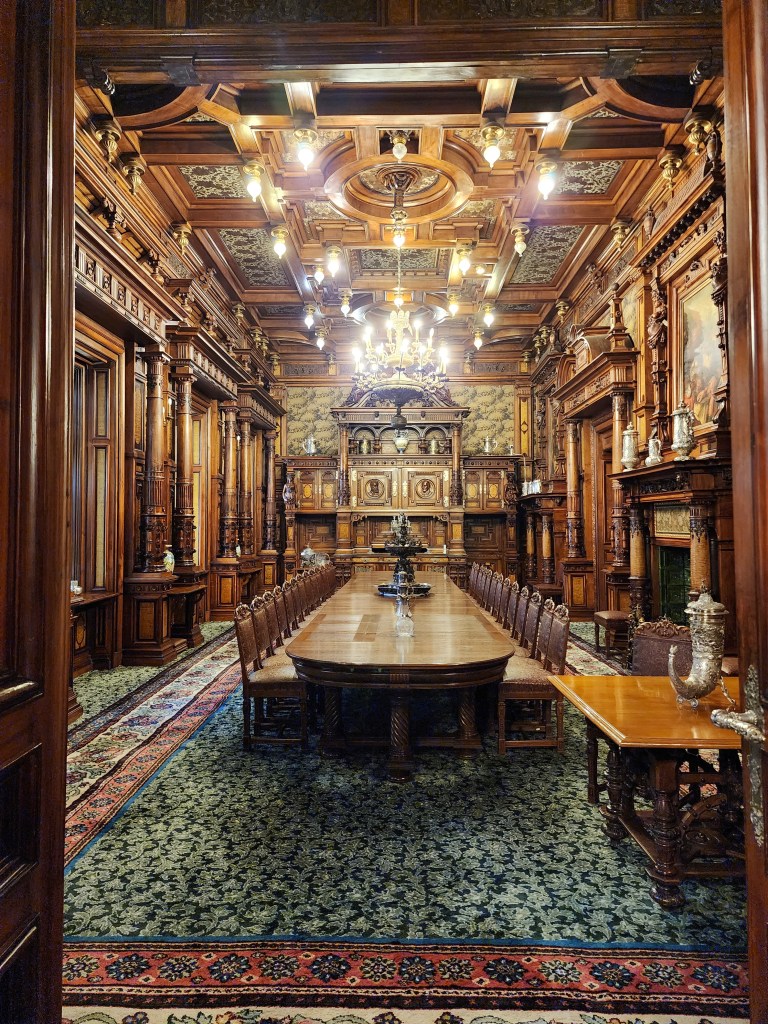
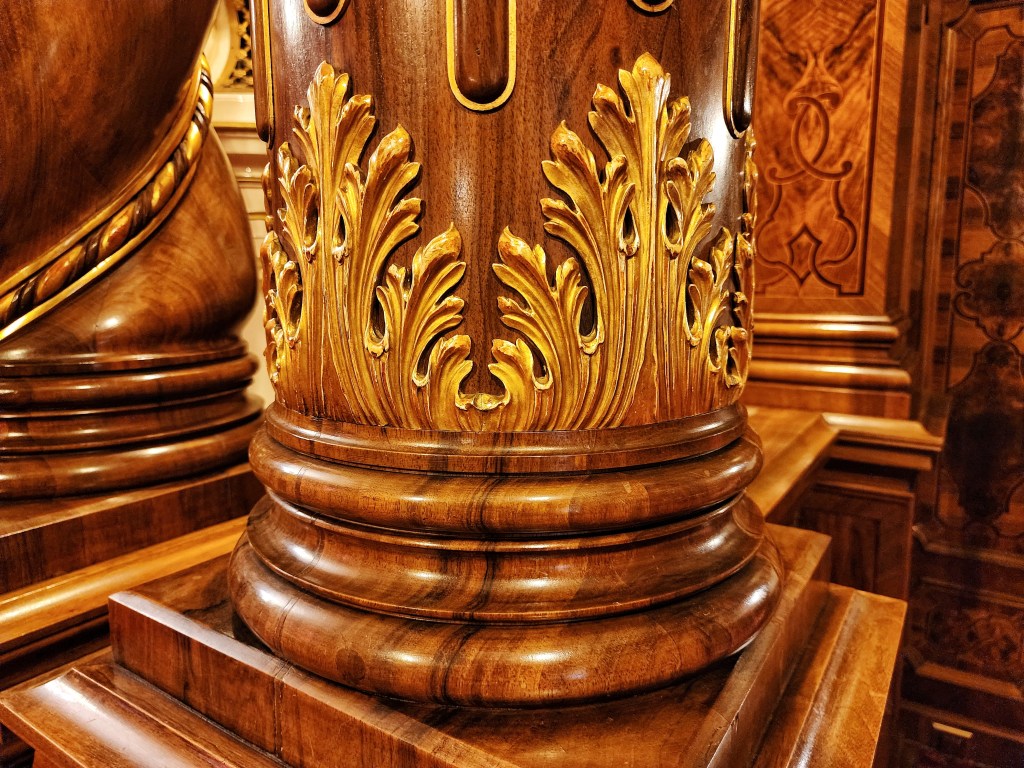
It is as impressive as it can be, grandiosely rising on a chain of mountains, at the end of a medieIt is as impressive as it can be, grandiosely rising on a chain of mountains, at the end of a medievalval road. Every inch of it contains the signature of a skilled artist or craftsman. The smell of oak tree mingles with the royal scents that envelope the whole settlement.
After my visit, I found myself contemplating several significant thoughts:
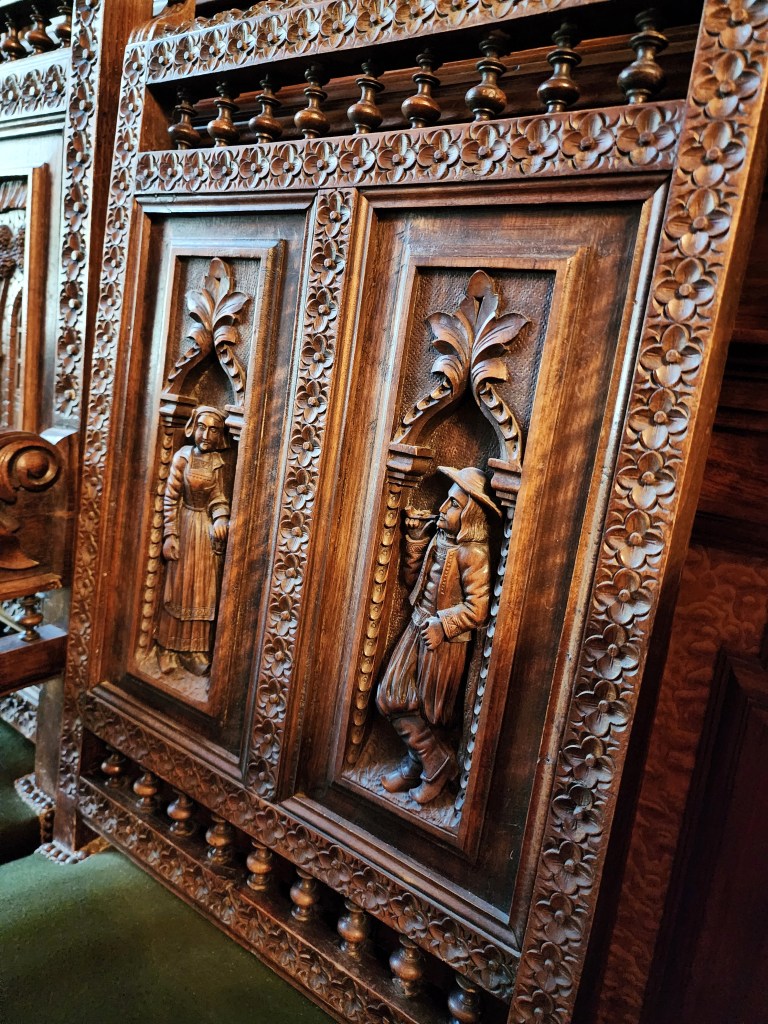
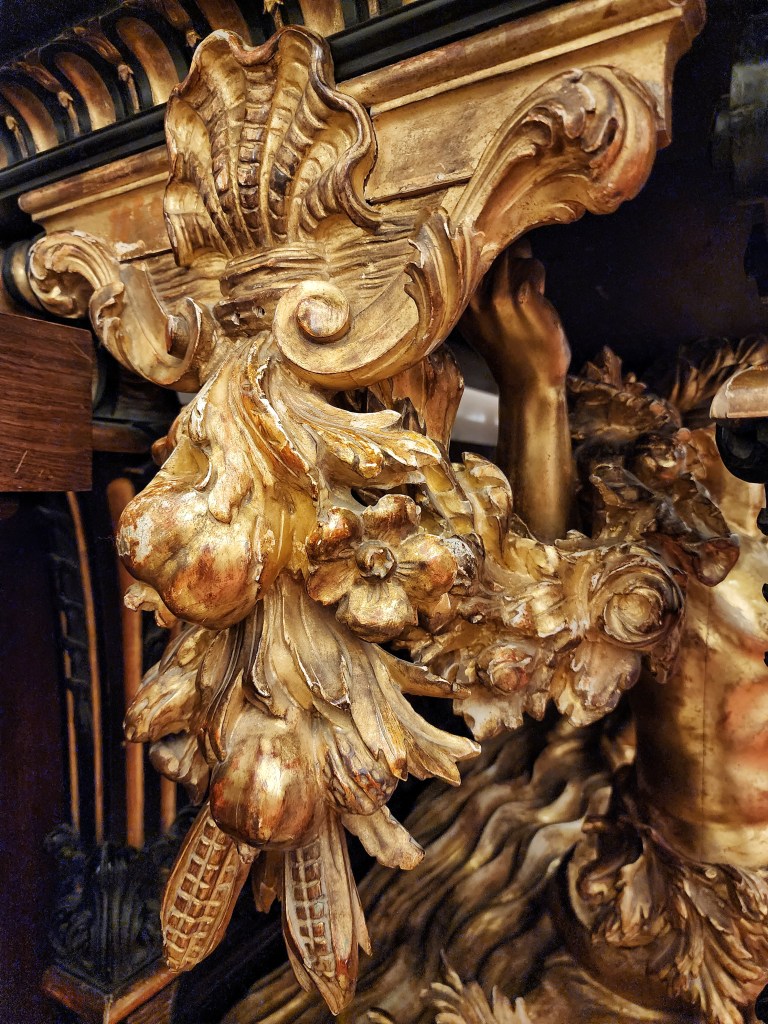
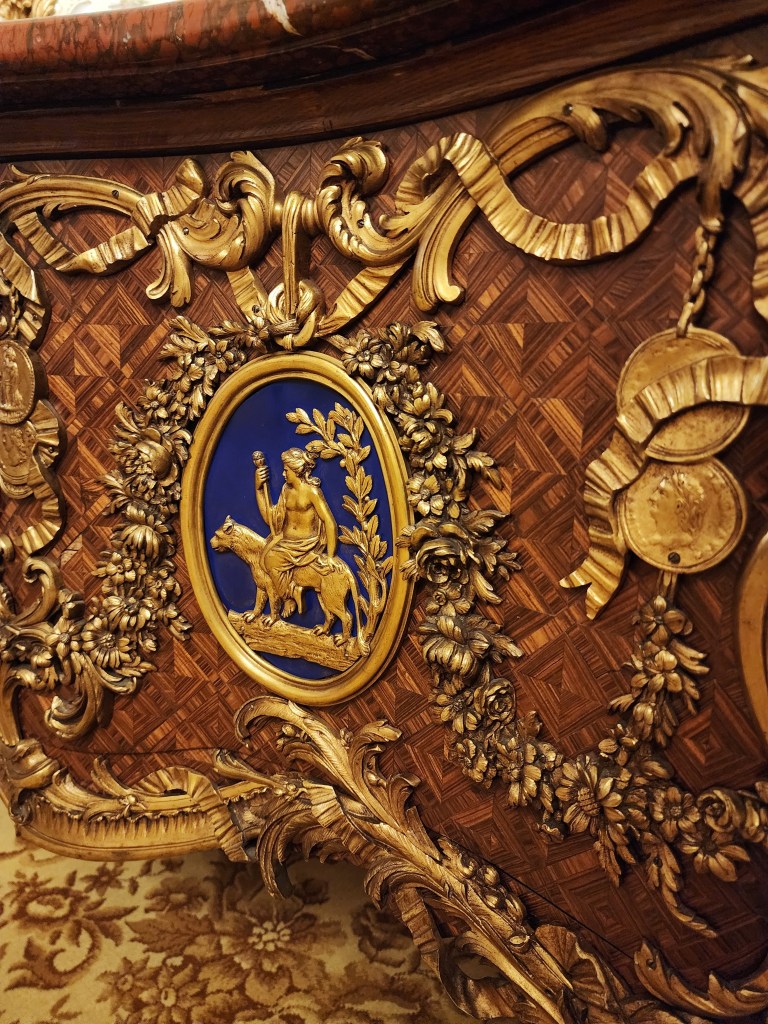
• The individuals who lived before the war possessed remarkable patience and skill, dedicating decades of their lives to creating intricate works of art. On the flip side, the concept of modern architecture aims to embrace a style that prioritizes minimalism and functionality, often emphasizing clean lines, simplicity, and the efficient use of space. It seeks to create structures that transcend specific cultural or religious influences and instead provide a universal appeal. While the first one marks incredible craftsmanship, the second one aims to create a more unified society.
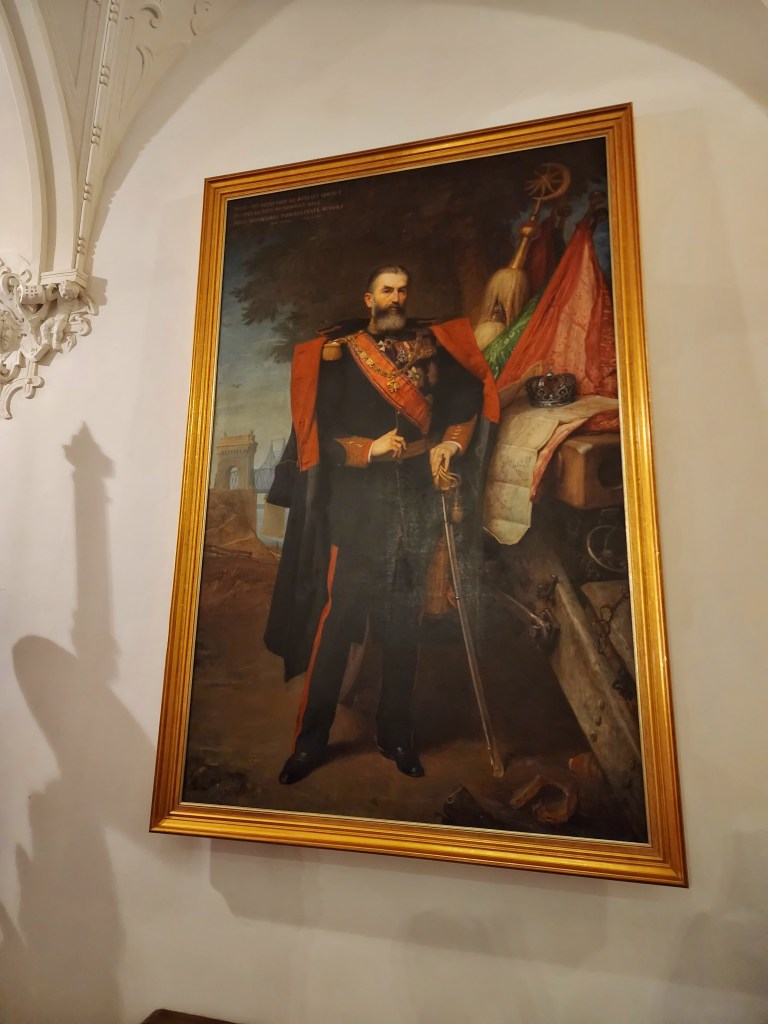
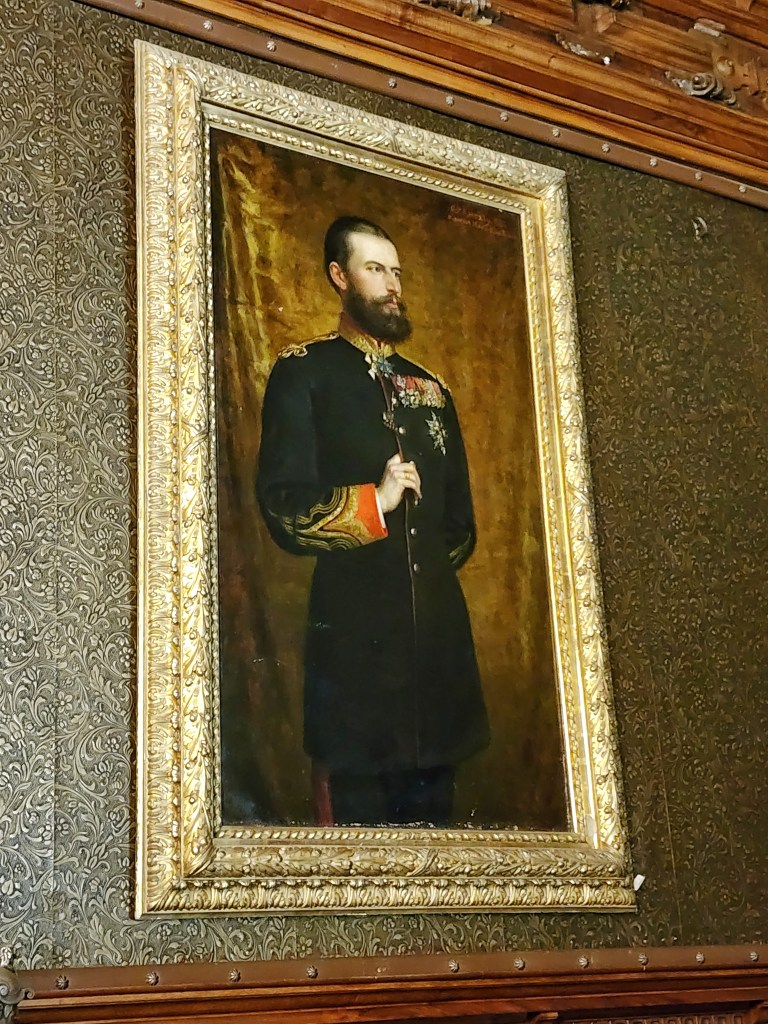
• The level of vanity displayed by individuals like our former king, Carol 1st, is indeed fascinating. It is remarkable to think that he went as far as constructing an entire apartment solely to accommodate a high-ranking dignitary during their visit. This extravagant gesture speaks volumes about the grandiosity and excesses that can sometimes be associated with those in positions of power. Such acts of opulence highlight the lengths some individuals are willing to go to make an impression or demonstrate their importance.
Nevertheless, it was intended to be inherited by future generations, its architecture represents not only the nobility of the period but also anyone who held a title or possessed great wealth.
The intricate craftsmanship and the lives devoted to designing and building such a historical masterpiece are a testament to the unmatched mastery, skill, and dedication of humanity, which will surely endure the test of time.



 THE WONDERMIND